
How to Request and Evaluate Free Samples from a Custom Peptide Factory?
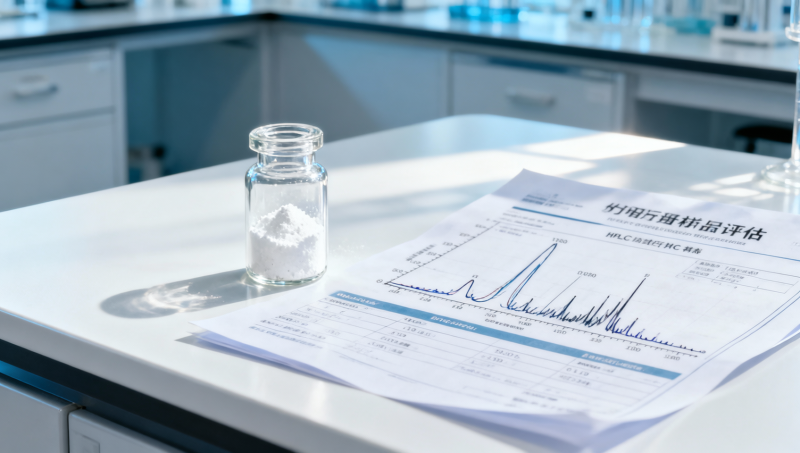
In peptide-based product development, pharmaceutical research, and cosmetic ingredient sourcing, sampling is a critical step in vendor qualification. Obtaining and testing initial peptide samples allows technical and procurement teams to verify product quality, analytical accuracy, and manufacturing consistency before committing to commercial-scale orders. However, because custom peptide synthesis involves customized amino acids, reagents, and labor, qualified factories establish structured sampling protocols for legitimate B2B inquiries.
Step 1: How to Successfully Submit a Sample Request
To qualify for sample support from a custom peptide manufacturer, procurement teams should provide clear, actionable technical context:
Provide Complete Technical Specifications: Include the exact amino acid sequence, target purity grade (e.g., ≥95%, ≥98%), modification details (such as N-terminal acetylation, C-terminal amidation, or disulfide bonds), and required sample amount (e.g., 1mg to 10mg).
Share Business and Project Scope: Provide your company profile, project timeline, and estimated annual demand. Custom manufacturers prioritize sample requests supported by genuine commercial interest.
Confirm NDA & Compliance Setup: If the peptide sequence is proprietary, sign a Non-Disclosure Agreement (NDA) with the factory prior to sharing technical data.
Step 2: Key Parameters for Evaluating Received Samples
Once the sample arrives, technical teams should conduct a multi-faceted evaluation based on analytical documentation and physical testing:
Analytical Verification (COA Check): Review the Certificate of Analysis included with the shipment. Verify the HPLC chromatogram for target purity percentage and check the Mass Spectrometry (MS) report to ensure the observed molecular weight matches the theoretical value.
Physical & Reconstitution Inspection: Assess the lyophilized powder's visual consistency, color, and particle appearance. Perform reconstitution tests in recommended solvents to verify solubility and solution clarity.
Functional & Application Testing: Evaluate sample behavior in specific bioassays or stability models to ensure it meets technical requirements for your ongoing project.
Evaluating Long-Term Supplier Capability Beyond the Sample
A successful sample test is just the starting point. When reviewing the overall capabilities of a custom peptide manufacturer, also assess:
Scale-Up Feasibility: Can the factory transition seamlessly from milligram-scale samples to multi-kilogram production?
Quality Management Standards: Does the facility adhere to ISO or GMP quality systems?
Packaging & Shipping Controls: Are samples shipped under controlled conditions (e.g., cold-chain or light-protected packaging) to preserve peptide integrity during international transit?
Summary:
Establishing a structured sample evaluation process helps companies mitigate technical risks, verify supplier reliability, and streamline the transition toward full-scale peptide manufacturing.