Why Work Directly with a Peptide Factory Instead of a Trading Company?
When sourcing peptides for drug discovery, cosmetic formulations, or high-purity biological research, selecting the right partner model within the supply chain is critical to project timelines and overall risk management. While trading companies offer convenience for multi-product sourcing, B2B procurement teams, technical managers, and R&D leaders increasingly choose to establish direct relationships with primary peptide manufacturers.
Here is a detailed analysis of why direct factory collaboration yields substantial advantages in technical precision, quality control, and long-term operational stability.
1. Direct Technical Communication and Streamlined Troubleshooting
Peptide synthesis often involves specialized parameters, including custom amino acid sequences, difficult modification profiles (e.g., disulfide bonds, cyclization, fluorescence labeling), and specific purity thresholds (≥95%, ≥98%).
Elimination of Communication Gaps: Working directly with the manufacturer allows your technical team to interact directly with the factory's R&D personnel and chemists.
Rapid Feasibility Assessments: Direct interaction eliminates the relay of technical questions through third-party intermediaries, ensuring fast sequence evaluation, realistic synthesis feedback, and quick resolution of process bottlenecks.
2. Comprehensive Quality Traceability and Regulatory Compliance
For regulatory audits and commercial filings, complete data integrity and analytical transparency are non-negotiable.
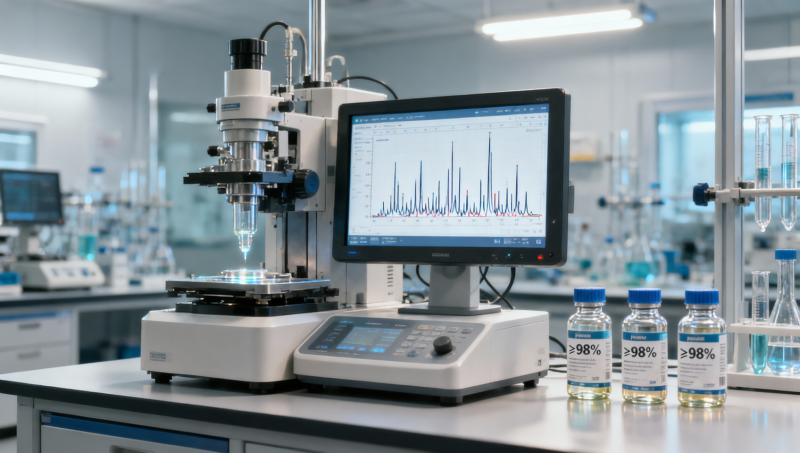
Authentic Testing Documentation: Direct collaboration ensures that every shipment is accompanied by authentic, untampered analytical data, including High-Performance Liquid Chromatography (HPLC) chromatograms, Mass Spectrometry (MS) spectra, and full Certificates of Analysis (COA).
Audit Accessibility: A direct factory partnership opens the door to facility audits, cleanroom inspections (Class A/C), and direct reviews of Batch Production Records (BMR), ensuring compliance with international quality management frameworks.
3. Transparent Capacity Management and Scalable Supply
Transitioning a peptide sequence from milligram-scale pilot batches to multi-kilogram commercial production requires predictable manufacturing capacity.
Real-Time Production Tracking: Partnering directly with a factory gives you direct insight into reactor schedules, lyophilization capacities, and real-time production status.
Seamless Scale-Up Support: As your demand grows, a primary factory can easily adapt process parameters for scale-up, eliminating supply chain friction and securing continuous delivery schedules.
4. Cost Efficiency and IP Protection
Optimized Pricing Models: Eliminating secondary markups creates a more transparent pricing structure, allowing budget optimization for long-term production runs.
Secure Confidentiality: Executing Non-Disclosure Agreements (NDAs) directly with the manufacturing facility reduces data exposure risks, protecting proprietary sequences and sensitive customer intellectual property.
Conclusion:
While trading entities serve specific market needs, direct collaboration with a specialized peptide factory provides superior technical responsiveness, end-to-end quality assurance, and robust supply chain resilience—building a reliable foundation for long-term commercial success.
- Last One:No more articles
- Next Article:How to Choose a Reliable Peptide Factory for Large-Scale GMP Production?2026-06-30